In crisis now? Call 000.
If you need advice to leave right now, visit Leave in an Emergency.

Safety

If you are in immediate danger, call triple zero (000), for a trained counsellor, call 1800 RESPECT (1800 737 732).

This guide provides practical advice and information to help you secure your immediate, short-term, and long-term safety.

If you or someone you know is experiencing family and domestic violence, it’s crucial to reach out for help. Below is a list of essential support services that offer immediate assistance, guidance, and resources to ensure your safety and well-being. Find more contacts in our service directory.

1800 RESPECT (1800 737 732): Information, referrals and counselling via phone and web chat, 24 hours a day.

Lifeline (131 114): Confidential crisis support that is accessible 24 hours a day, for people contemplating suicide, experiencing emotional distress, or caring for someone in crisis. Call, text or chat online.

13 YARN (139 276): A 24/7 crisis support line for Aboriginal and Torres Strait Islands to yarn in a culturally safe space. Call to be connected to another Aboriginal and Torres Strait Islander person who will understand where you are coming from and value knowing HOW to listen, without judgement or shame.

Men’s Referral Service (1300 766 491): The Men’s Referral Service is the national counselling, information and referral service for men who use violence and abuse to change their behaviour.

Women’s Domestic Violence 24-hour Helpline (1800 007 339): Support for women, with or without children, who are experiencing family and domestic violence. Find information and advice, referral to local advocacy and support services, help with police, support escaping, support with kids and referral to safe accommodation if required.

Kids Helpline (1800 55 1800): Provides 24/7 support for kids needing to talk to someone about what’s going on in their lives.

Australian Capital Territory 24/7 Crisis Line (02) 6280 0900: Services available to anyone living in the ACT region affected by domestic and family violence, including 24/7 telephone support, help navigating the legal system, support groups and case management to keep families safe.

New South Wales Domestic Violence Line (1800 656 463):  Counselling and referrals to women experiencing domestic violence. Caseworkers on the Domestic Violence Line can assist with a range of services, including family support, legal concerns such as lawyers, police, and apprehended violence orders, creating a safety plan, emergency accommodation, and help with transport.

Queensland Women’s Crisis Line (1800 811 811): A free helpline for women and non-binary or gender fluid people who are experiencing domestic and family violence.

Victoria Safe Steps crisis response line (1800 015 188):  Safe Steps provides a call line to people experiencing family and domestic violence. They conduct risk assessments, provide pathways into emergency accommodation, offer financial and material aid, and offer support and advice in the family courts.

South Australia Domestic Violence Crisis Line (1800 800 098): Crisis counselling, support and referral to safe accommodation.

Tasmania Family Violence Counselling and Support Service (1800 608 122): Professional and specialised services to assist children, young people and adults affected by family violence. All services are free of cost, including counselling and support, safety planning, assistance with talking to police, and referrals for safe places to stay.

Northern Territory Domestic Violence Helpline (1800 737 732): 1800 RESPECT is the national domestic, family and sexual violence counselling, information and support service, and is the best point of contact in the NT.
Addressing your top safety concerns

Take these steps if safety is your number one concern.

1A. Keeping safe whilst using Yourtoolkit.com

1B. Assess your safety

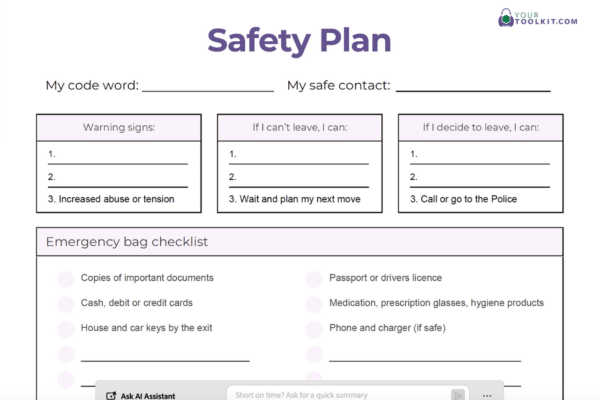
1C. Make a safety plan

1D. Consider emergency services

1I. Access Health Care

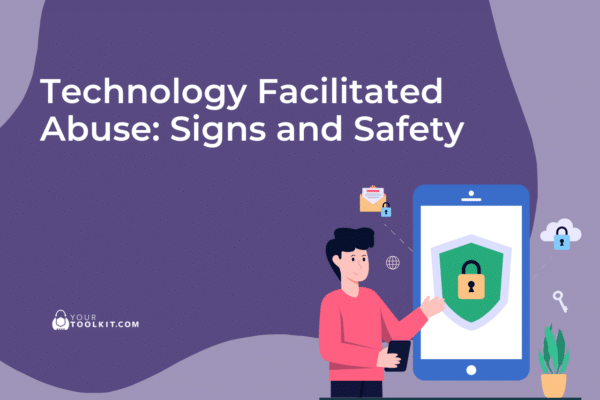
3A. Use safe technology practices

3B. Increase personal safety

3C. Find housing and accommodation

This was the website that helped me get away – this was the most important thing that I found.
- Victim survivor who used Yourtoolkit.com

Frequently Asked Questions

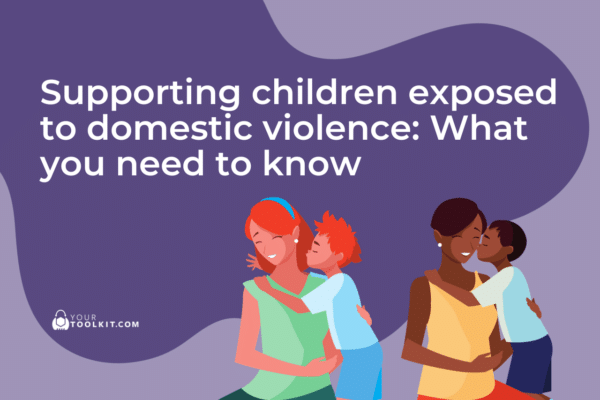
Supporting your child is often the priority for mothers experiencing domestic violence. Here are some tips 

  • Have open conversations with your child in an age-appropriate way. Reassure them that it is not their fault. Try to show healthy relationship behaviours in other ways, like listening to them, spending quality time, and having trusted friends and family members.
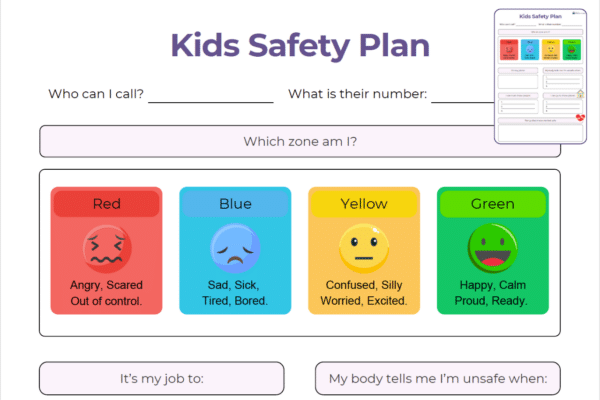
  • If appropriate, create a child safety plan so they know what to do if they think their safety is at risk or so they can confidently follow you if you need to leave the house.
  • Talk to schools or childcare centres so they can provide extra support to the child.
  • Seek professional support from counsellors or a child psychologist, or ask the school or childcare centre for recommendations if necessary.

The police’s main priority is your safety. They are always here to help. Learn more about how the police can assist. Whilst police do their best and have effective methods of calming down the situation, they can have delayed response times, lack of training and failures to complete follow-up actions. This impacts how well they help victim survivors. It’s important to recognise these challenges and prepare yourself. If possible, collect evidence of abuse, prepare a safety plan and speak with other domestic violence speciality services. Some perpetrators of violence (abusive partners) lie and create fear about the police for the victim survivor. Remember the police are there to support you and improve safety for everyone involved.

If your partner isolates you, finding ways to communicate safely is crucial. Here are some examples:

  • Ask to visit the doctor’s office to speak with a doctor. Use an excuse like getting a vaccination or having a discussion about menstruation (periods) to see the doctor. Both options are likely to allow you to be alone with a nurse or a doctor. 
  • Via school or childcare centres
  • If you see friends or family, mention it to them and agree on a code word you’ll use to text them if you need help immediately.

Remember you are the best judge of your safety. When possible, speak to someone or make a safety exit plan to leave the house.

Resources and further readings

Take our short survey

This survey collects anonymous data to provide you a better service. Please press submit to finish the survey.

Has our website provided -

Please note Yourtoolkit.com does not provide one-on-one support.
👉 Need help in an emergency? Call 000
👉 Or visit our Emergency Exit Guide for quick steps to leave safely.
Please note this survey is not monitored. If you need help, please contact 1800 RESPECT.